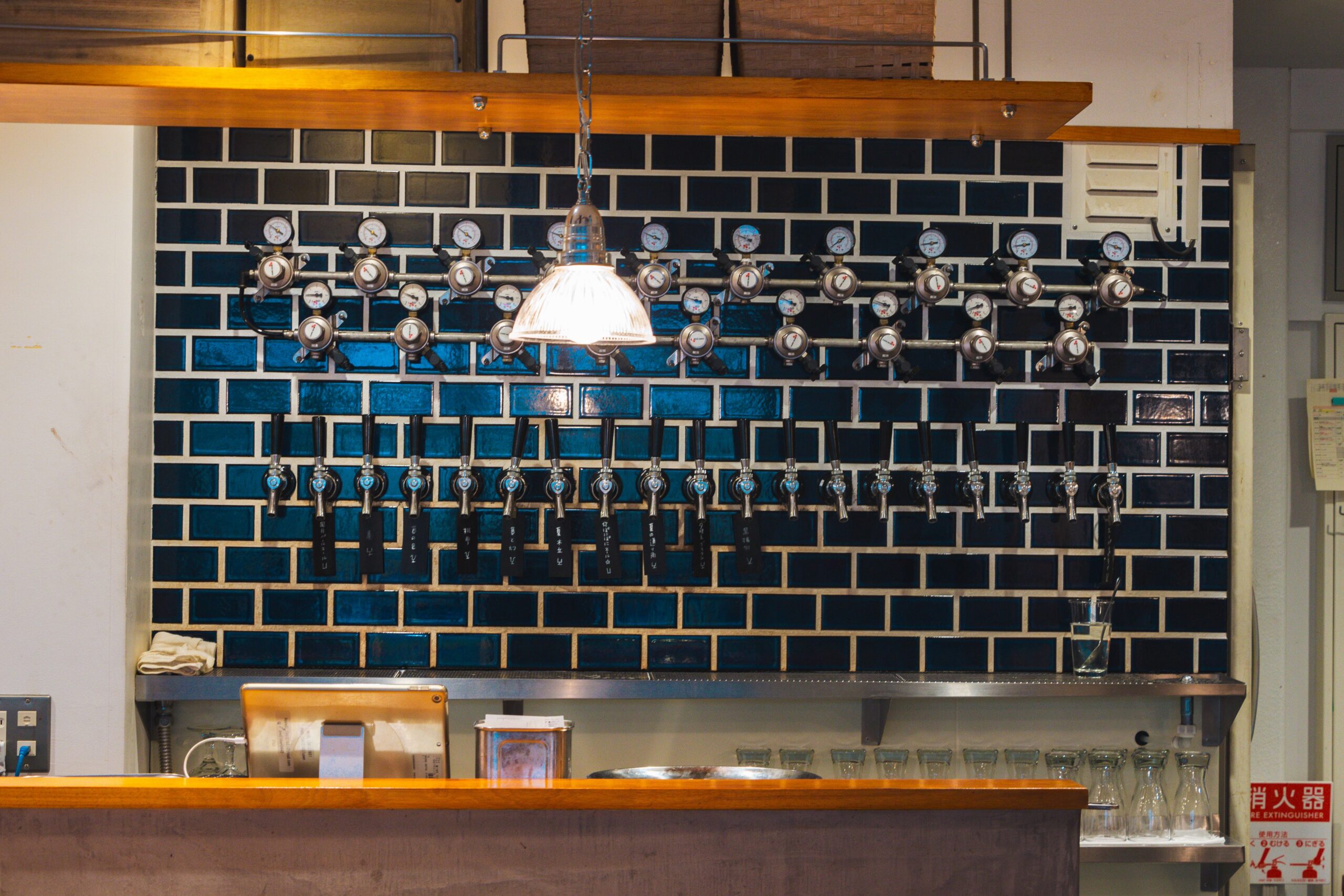
Installing a draft beer system in a commercial space is a real capital project, and the decisions you make before anyone picks up a drill, system type, run length, gas setup, tap count, determine whether your system pours clean and consistent from day one or becomes a source of ongoing headaches.
This guide covers the full arc: which system type fits your venue, what draft beer equipment goes into it, what you need to have ready before the installer shows up, what actually happens during the install, and what keeping the system healthy looks like after the first pour.
If you’re ready to talk specifics with someone who installs these systems across Colorado, our draft beer system installation and service page is the place to start.
Choosing the Right System Type, Before Anything Else Gets Designed
The distance between your keg storage and your tap is the single most important variable in system design, get this wrong at the planning stage and you’re either over-engineering a simple setup or under-specifying a complex one. There are three system types, and each fits a different scenario depending on that distance.
Direct Draw
Direct draw is the simplest and least expensive configuration, the right fit when the keg can sit close to the tap.
- Keg distance: within 5 to 10 feet of the tap
- Cooling: a kegerator or refrigerated back-bar cabinet keeps the beer lines at temperature, no added refrigeration equipment required
- Cost and complexity: the lowest cost and simplest install of the three options
- Limitation: can’t reach a remote tap tower, and tap count is limited by how many handles fit near the keg storage
Long Draw (Air-Cooled)
A middle-ground option for venues where the keg room isn’t right at the bar but doesn’t need full glycol either.
- Keg distance: up to roughly 25 feet, one room away from the bar
- Cooling: beer lines run through an insulated trunk line, kept cold by forced cold air
- Best fit: mid-size venues where a kegerator won’t cut it
- Risk: inadequate insulation, poor airflow, or an incorrectly balanced system produces a warm pour before the shift is even underway
Long Draw (Glycol-Cooled)
The standard for longer runs or venues where consistent faucet temperature can’t be left to chance.
- Keg distance: beyond 25 feet, or any multi-tap tower where 34 to 38°F at the faucet is non-negotiable
- Cooling: a glycol chiller circulates chilled propylene glycol alongside the beer lines inside an insulated trunk, holding temperature regardless of distance or ambient conditions
- Best fit: large sports bars, nightclubs, and concert venues
- Sizing: the chiller’s cooling capacity must match the number of beer lines, trunk length, and ambient conditions; undersizing it is one of the most common reasons a newly installed system pours warm or foamy on opening night
The decision guide: If your keg storage is within 10 feet of the tap, direct draw. If it’s farther, or if you’re planning more than four to six taps from a single tower, talk to your installer about glycol before you commit to a layout.
Nitro and blended gas: If you plan to serve Guinness-style stouts or any nitro beer alongside standard lagers, this needs to be specified at the design phase. Nitrogen gas, or a blended gas typically 75% nitrogen and 25% CO2, requires a separate regulator, different beer lines rated for higher pressure, and a stout faucet with a restrictor disc. Adding nitro after the trunk line is already run is an expensive afterthought.
Equipment That Goes Into a Commercial Draft Beer System
Understanding the physical components of a draft beer system helps you evaluate vendor proposals and ask the right questions. Here’s what you’ll encounter, what each piece does, and where quality differences actually matter.
Keg Coupler
The connection point between the gas line and the keg.
- Function: connects the gas line to the sanke keg and opens the keg’s valve to allow beer flow
- Match matters: the coupler type must match the keg brand, the American Sanke D-system covers the vast majority of domestic beers, but imported beers may require A, G, M, or S-system couplers
- Risk: getting this wrong means a keg that won’t connect on delivery day
CO2 Regulator
Controls how much gas pressure actually reaches the beer.
- Function: controls gas pressure from the cylinder to the beer lines
- Dual-gauge design: shows both tank pressure and line pressure, the line, or secondary, pressure is what gets dialed in per the beer style and system design
- Typical pressure: most American lagers run 12 to 14 PSI at the regulator; long-draw systems require higher driving pressure to push beer the full line length
- Supply: for your beverage gas supply, CO2 tanks, mixed gas cylinders, and nitrogen, Denver Beverage handles that as part of the full program
Beer Lines and Trunk Lines
Where a lot of system performance actually lives.
- Standard tubing: 3/16″ inner diameter barrier tubing is the most common choice for short runs, its resistance contributes to system balance
- Long-draw tubing: vinyl tubing in larger diameters is used inside long-draw trunk lines
- Reference standard: the Brewers Association Draught Beer Quality Manual specifies line length and diameter in relation to system pressure
- Outcome: a properly balanced system delivers the right pour rate without excess foam
Beer Tower and Beer Tap Faucet
The visible hardware at the bar is where buyers underestimate quality differences.
- Tower decisions: height, number of shanks, and whether the tower is air-cooled or glycol-cooled, all get decided before fabrication
- Faucet design: Perlick’s forward-sealing faucet design (the 630SS and similar models) prevents the ball from drying out and sticking between pours
- Where it matters most: lower-volume tap environments, where a faucet might sit unused for hours between pours
Shank and Drip Tray
Two components buyers often overlook until installation day.
- Shank: the through-wall or through-tower fitting that connects the beer line to the faucet, length and thread must match the tower installation, these aren’t interchangeable
- Drip tray: a health code requirement in most Colorado jurisdictions, not an optional accessory
Draft Beer Equipment Brands
Denver Beverage installs Micro-Matic, Perlick, and UBC equipment across direct-draw and long-draw applications, and you can explore the full range of draft systems we carry to see which product lines suit different tap counts, run lengths, and venue types.
Pre-Installation Requirements: What You Need to Have Ready
The pre-installation phase is where most project delays originate. Buyers who skip this planning work discover the gaps when the installer is already on-site. Here’s what needs to be in place before anyone shows up.
Space and Utilities
- Storage: dedicated keg storage with adequate refrigeration, a walk-in cooler or a purpose-built cold room
- Gas storage: accessible CO2 or mixed-gas cylinder storage near the keg area, with cylinders stored upright and secured to the wall, a requirement under OSHA standard 29 CFR 1910.101 for compressed gas cylinder storage
- Electrical: glycol chillers require an electrical connection; confirm amperage with your installer before the equipment is specified
- Ventilation: adequate ventilation isn’t optional in enclosed spaces like walk-in coolers, CO2 accumulation is a genuine safety risk, and some Colorado jurisdictions require a CO2 monitor as part of permitting
Building and Permitting
- Permit triggers: gas line work and any structural penetrations typically require local building and mechanical permits
- Plan review: most counties require a food-service facility plan review through the local environmental health department if the installation materially changes the service area
- Timing: check with your local jurisdiction before scheduling the install, pulling a permit after the fact costs significantly more than pulling one before
Line Routing
- Path: the installer needs a clear path from the keg room to the bar, existing walls, floors, and ceilings affect the trunk line route and may require core drilling
- New construction: the right time to route conduit for future beer lines is during rough-in, before drywall goes up
- Retrofits: possible through a finished dining room, but it adds cost and time
Tap Count and Brand Mix
- Design basis: the system is designed around a defined number of taps
- Cost of changes: adding two handles after the trunk line is already run means a return visit and often a larger trunk
- What to have ready: a working product mix in mind before the design conversation, at minimum how many handles and whether any are nitro
What Happens During the Installation
A professional installation follows a consistent sequence. Knowing what happens at each stage helps you evaluate proposals and set realistic expectations for your staff and your contractor. For more on how we run a project from first site visit to handoff, see our draft beer, cocktail, and wine tap installation process overview.The installation sequence runs as follows:
- Pre-installation site walkthrough to confirm routing, measurements, and utilities
- Mounting of cooler hardware, couplers, regulator manifold, gas distribution block
- Trunk line or direct-draw line run from keg room to bar, including core drilling where needed
- Beer tower mounting and shank installation at the bar
- Beer tap faucet installation and line connections at each handle
- CO2 regulator setup and gas pressure calibration to the system design
- Full system flush and pressure testing before the first keg is connected
- Initial pour test and beer line balancing, confirming pour rate and head formation at each tap
- Operator walkthrough covering keg changes, coupler connection, CO2 regulator adjustment, and basic troubleshooting
A straightforward direct-draw installation with four to six taps and a keg room adjacent to the bar typically completes in one day. A long-draw glycol system with 12 or more taps and significant trunk line runs may take two to three days, depending on site conditions.
Post-Installation: Line Cleaning and Ongoing Maintenance
The installation is the starting point, not the finish line. A commercial draft beer system that isn’t maintained consistently delivers off-flavor beer and creates health code exposure. Here’s what the maintenance picture looks like.
Line Cleaning Frequency
- Standard: the Brewers Association recommends cleaning draft beer lines every two weeks
- High-volume bars: can hold to that interval reliably
- Lower-volume accounts: running the same lines longer risk flavor degradation and bacterial buildup that shows up as off-flavors before it’s ever visible
- Regulatory trend: some Colorado health departments are beginning to codify line cleaning as an explicit requirement rather than an implicit expectation
What Line Cleaning Involves
- Process: recirculating a caustic cleaning solution through the entire beer line from keg coupler to faucet, rinsing thoroughly, then sanitizing before the next keg is connected
- Faucets: disassembled and cleaned at the same interval
- The real standard: a system that’s never had its beer tap faucet pulled apart isn’t a clean system, regardless of how many line cleanings have been logged
Scheduled Preventive Maintenance
- Periodic inspection: couplers, regulators, faucet seals, and glycol chiller fluid levels on long-draw systems
- Glycol testing: tested annually for pH and concentration
- What degraded glycol does: loses cooling efficiency and can corrode copper fittings over time, which shows up as a dispensing temperature problem before it’s a visible failure
When to Call a Technician
- Persistent foam that doesn’t resolve with gas pressure adjustment
- Beer lines that ice up
- Unexplained flat pours
- A glycol chiller running continuously without holding temperature
These are signs of a system problem, not an operator problem. Denver Beverage’s service team covers the Front Range and I-70 corridor with 13 field technicians and 7-day service availability.
Whether you’re planning a new installation or weighing a system overhaul, this is the full arc Denver Beverage handles: design, equipment supply, installation, and ongoing service for restaurants and bars across the Front Range, with equipment supply available statewide.
Talk to our team about what a draft program built around your venue’s actual tap count and layout would look like.
Frequently Asked Questions
What’s the difference between a direct-draw and a long-draw draft beer system?
A direct-draw system stores the keg directly below or behind the tap, typically within 10 feet, and relies on a kegerator or refrigerated cabinet for cooling. A long-draw system runs beer lines from a remote keg room to the bar, using either insulated air-cooled trunk lines, up to roughly 25 feet, or a glycol chiller for longer runs. The right choice depends on your keg-to-tap distance and tap count.
How long does a commercial draft beer system installation take?
A direct-draw installation with four to six taps typically completes in one day. A long-draw glycol system with 12 or more taps and significant trunk line runs may take two to three days, depending on site conditions, core drilling requirements, and existing infrastructure.
Do I need a permit to install a draft beer system in Colorado?
In most cases, yes. Commercial installations involving gas line work or structural penetrations are subject to local building and mechanical permit requirements, and many Colorado counties also require a food-service facility plan review if the installation materially changes the service area. Check with your local jurisdiction before scheduling the install; permits pulled after the fact are significantly more expensive.
How often should draft beer lines be cleaned after installation?
The Brewers Association recommends every two weeks. High-volume bars can hold to that interval reliably, while lower-volume accounts that push beyond two weeks will see flavor degradation before any visible sign of buildup. Some Colorado jurisdictions are beginning to require regular line cleaning explicitly as part of food-service compliance.
How do I know if my draft beer system is properly balanced?
A balanced system pours at a consistent rate with a proper head, roughly three-quarters liquid to one-quarter foam, without excessive foaming or flat pours. Beer line balancing involves calibrating gas pressure at the CO2 regulator to match the resistance of the beer lines at the system’s design length and inner diameter. If you’re adjusting gas pressure repeatedly and still getting foam or flat beer, the issue is usually line length, line diameter, or dispensing temperature rather than the regulator setting itself.