Picture a dietary director at a skilled nursing facility on a Tuesday morning. She’s coordinating a delivery window with the beverage supplier, following up on a missed service call from the dish chemical rep, and trying to reach a separate equipment technician about a dish machine that threw an error code yesterday.
None of these vendors knows what the others are doing. Each one has its own invoice, its own schedule, and its own contact number. This is the operational reality that consolidation is designed to fix.
The Real Cost of Running Three Vendors Where One Would Do
If you’re juggling separate vendors for beverages, coffee, and chemicals, this friction isn’t news to you. It shows up the same way every week, in problems that dietary staff and facility managers already recognize by heart.
- Multiple delivery windows to coordinate: Each supplier arrives on its own schedule. Someone on staff has to be available to receive, verify, and sign off on each one. That’s not one task, it’s three separate interruptions to the operational day.
- Separate invoices from each supplier: A beverage account, a coffee service account, and a chemical program each generate their own billing cycle. Reconciling three sets of invoices against three separate accounts is a monthly administrative task that doesn’t add value to patient care.
- No single point of contact when something breaks: When a dish machine goes down, the facility manager calls the chemical supplier. The chemical supplier refers them to the equipment vendor. The equipment vendor isn’t familiar with the chemical program running through the machine. The problem sits unresolved while staff work around it.
- Inconsistent service coverage across programs: A coffee vendor with no relationship to the facility’s overall equipment picture doesn’t know what dish machine is in the kitchen or what chemical program is running through it. That fragmentation means no one has a complete view of the facility’s non-clinical supply operation.
What Consolidated Coverage Actually Looks Like in a Healthcare Facility
Consolidated coverage in a healthcare facility means one vendor owns beverage supply, coffee service, and dish and laundry chemicals under a single account. Single-source coverage in this category isn’t a bundling gimmick. It means one vendor genuinely owns each program and services its own equipment.
- Beverage supply: healthcare beverage programs covering patient nutrition beverages, cafeteria drinks, and staff break room beverage supply.
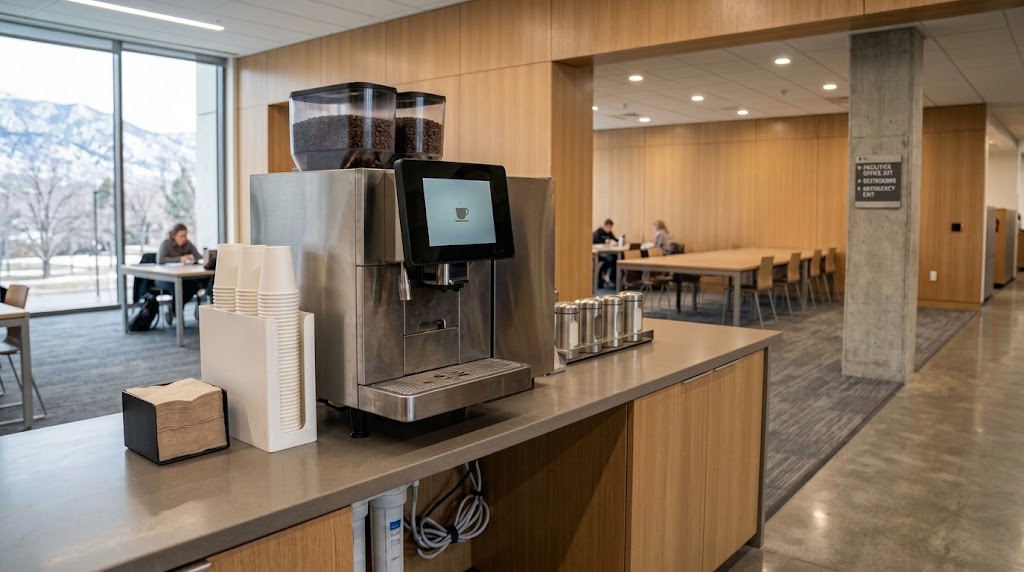
- Coffee service: Boyer’s Coffee for staff break rooms and visitor lounges, including bean-to-cup brewing equipment. Options like the De Jong Duke and Bravilor Bonamat suit healthcare settings where self-service convenience and consistent output matter. See our coffee brewing equipment page for available formats.
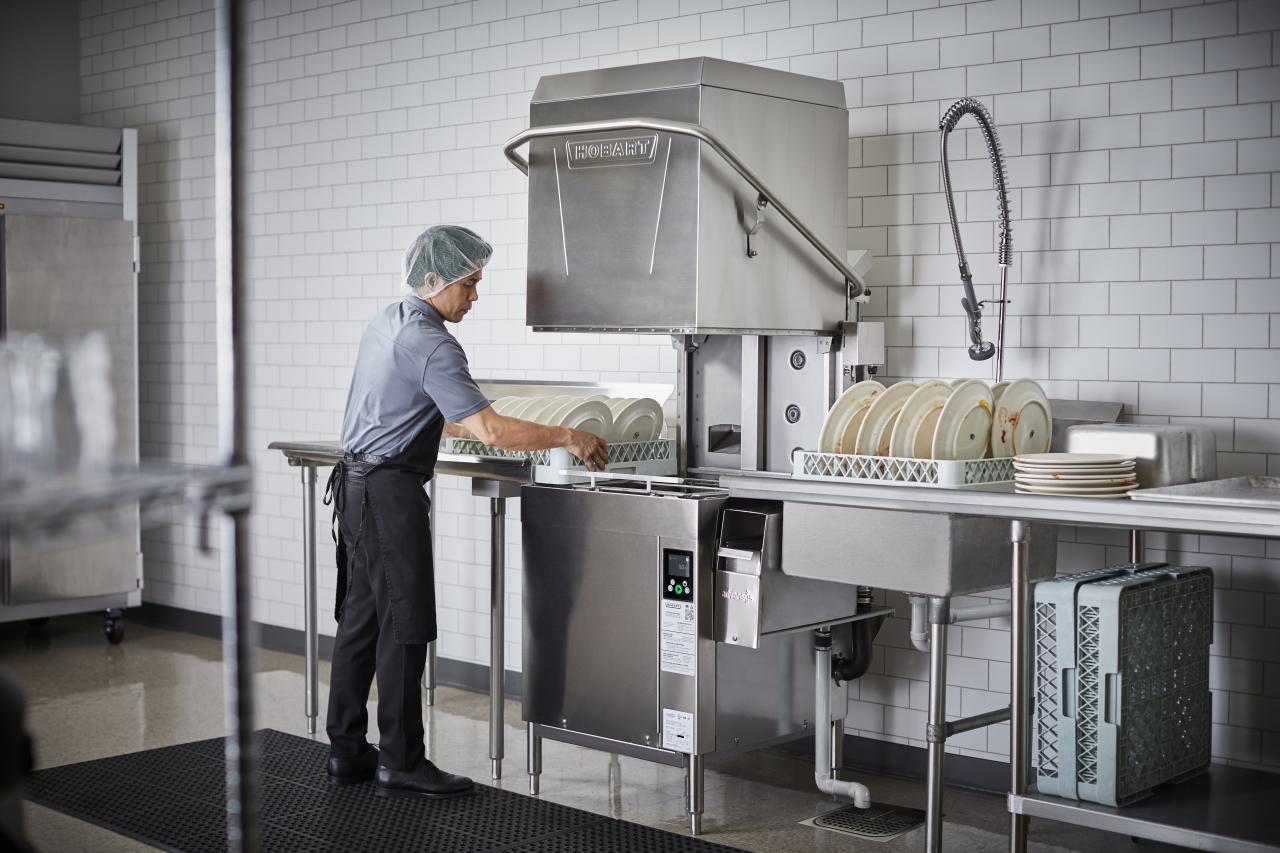
- Dish and laundry chemicals: dish and laundry chemical programs covering the chemical supply for the dish machine that the vendor already knows and services.
The operational shift for a facility that moves from three vendors to one is structural, not incremental. One account rep manages all three programs. One delivery schedule covers all three categories. One invoice reflects the full account. When a dietary director no longer needs to track three separate service contacts, that recovered time goes back to managing meal service for patients with clinical dietary requirements.
Why This Matters More in Healthcare Than in Other Settings
In healthcare, vendor fragmentation does more damage than in a typical office: it diverts staff from patient care, slows documentation for regulatory surveys, and turns a routine equipment failure into an operational emergency.
Dietary staff are managing clinical nutrition, not just food operations: Coordinating non-clinical vendors is a direct distraction from that core responsibility. In an office building, a delayed coffee delivery is an inconvenience. In a skilled nursing facility, it competes with work that directly affects residents.
Regulatory survey readiness requires documentation on demand: Facilities subject to state health department inspections or Joint Commission review need to produce chemical program records, equipment maintenance logs, and Safety Data Sheets quickly. Fragmented vendors produce fragmented records. A single-source provider maintains a unified service history for all programs it manages.
Equipment downtime has direct operational consequences: A failed dish machine or an inoperative coffee system in a healthcare facility isn’t a minor inconvenience. Denver Beverage holds State of Colorado preferred vendor status for healthcare and provides 7-day equipment service coverage across the Front Range. When something goes down, commercial dishwasher repair service is available without the facility needing to locate a separate repair contact.
What to Ask a Prospective Single-Source Vendor
If you’re evaluating whether a single-source vendor can replace your current setup, these five questions will separate genuine program ownership from a bundled-category sales pitch.
- Does the vendor service its own equipment, or does it subcontract repairs?
- What’s the response window if a dish machine goes down mid-shift?
- Can it supply both the chemical program and the beverages, or is it bundling categories it doesn’t actually own?
- Is it already a State of Colorado preferred vendor for healthcare facilities?
- What does consolidated billing actually look like? One invoice, or separate invoices from each sub-program?
A vendor that owns its programs, services its own equipment, and holds state preferred vendor status will answer all five without hesitation. One that’s bundling categories it doesn’t actually manage will struggle with questions two and three.
Consolidation looks different for every facility depending on current vendor contracts, department structure, and delivery logistics. If you want to talk through what it would look like for your specific setup, Denver Beverage’s team is a straightforward place to start.
Ready to Simplify Your Vendor List?
If your facility is juggling separate vendors for beverages, coffee, and dish chemicals, a single-source program folds all three into one delivery schedule and one invoice. Talk to Denver Beverage about consolidating your healthcare facility’s vendor program.
Frequently Asked Questions
Can one vendor really supply both beverage programs and dish chemicals for a healthcare facility?
Yes, Denver Beverage supplies patient nutrition beverages, cafeteria and break room beverages, coffee service, dish chemicals, and laundry chemicals from a single account, owning each program directly rather than reselling it.
How does single-source delivery work across multiple departments?
Single-source delivery for a healthcare facility runs on one coordinated schedule covering dietary, break rooms, and housekeeping, arriving in a single receiving window so staff sign off once instead of three times across separate delivery days.
Does Denver Beverage service its own equipment or subcontract?
Denver Beverage services its own equipment with 13 field technicians and provides 7-day coverage across the Front Range. There’s no subcontracted repair network to navigate when something breaks.
Is Denver Beverage a Colorado state preferred vendor for healthcare?
Yes, Denver Beverage holds State of Colorado preferred vendor status for healthcare facilities, meaning the state has already completed its vendor evaluation.
What types of healthcare facilities does Denver Beverage serve in Colorado?
Denver Beverage serves skilled nursing facilities, rehabilitation centers, assisted living communities, independent living communities, and small hospitals throughout Colorado, with a focus on facilities of 75 or more beds.