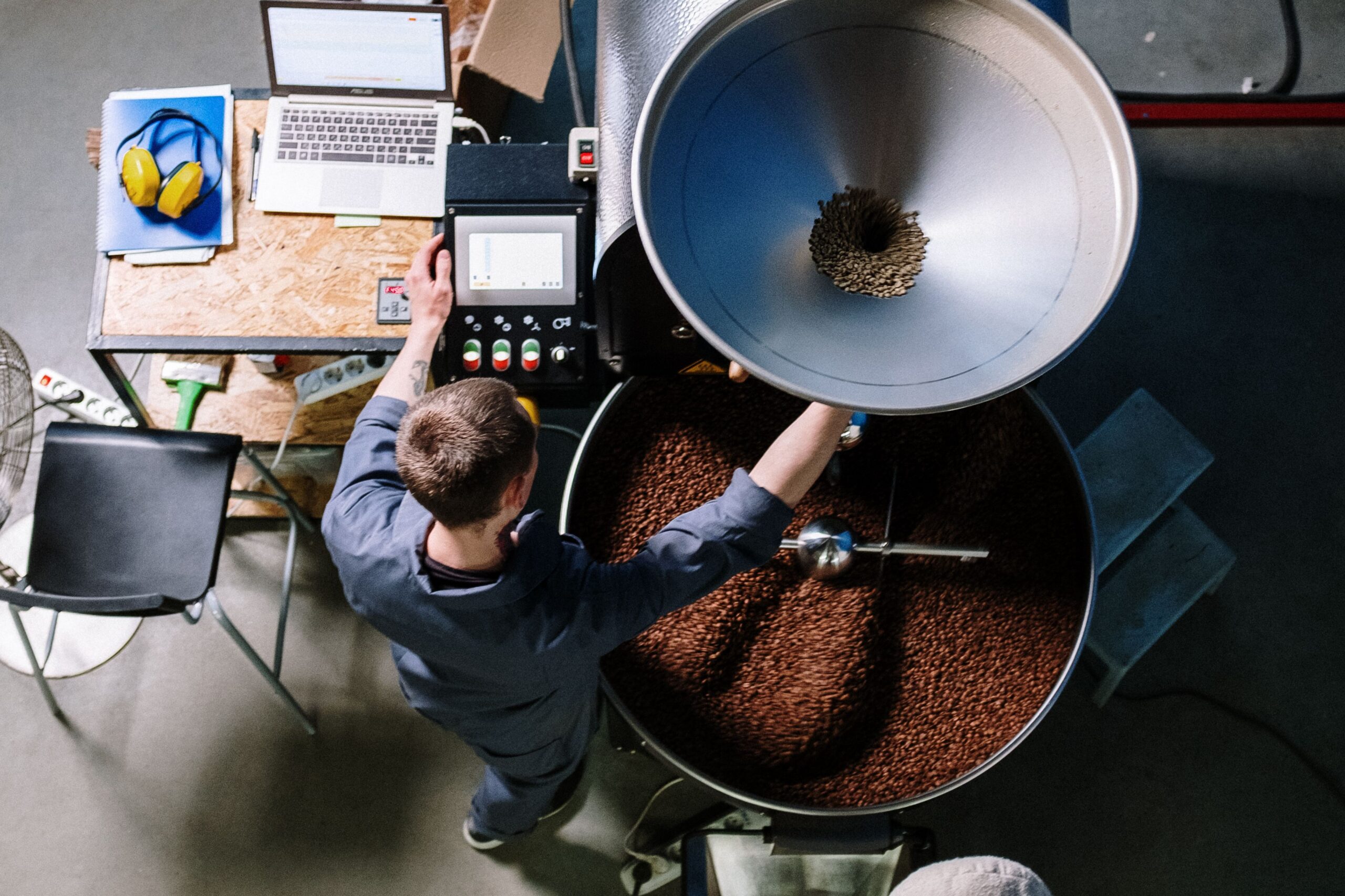
Plenty of Colorado businesses want to serve locally roasted coffee. The appeal is real: a genuine Front Range roaster, specialty-grade beans, and a story that resonates with guests, employees, and customers. But sourcing from a small-batch local roaster at commercial scale introduces logistics complications that most buyers haven’t thought through before they pick up the phone.
This guide covers what a wholesale coffee partnership actually involves, what to evaluate before you commit, and why the supply chain question is often the part that catches buyers off guard.
What “Partnering with a Local Roaster” Actually Means for a Business
Before evaluating roasters, it helps to know which type of arrangement you’re actually pursuing. Most buyers conflate three distinct models.
Direct retail purchase is the simplest of the three: you’re buying bagged coffee off the shelf or through a standard e-commerce order, with no account relationship, no volume pricing, and no recurring delivery structure. It works for a small office buying two bags a month. It doesn’t work for a 150-room hotel.
With a white-label arrangement, the roaster produces coffee under your brand name. You get your logo on the bag, but you’re taking on the procurement, branding, and often a meaningful minimum order quantity. That combination suits a CPG product launch more than a hotel F&B program.
What most foodservice operators actually need is a wholesale coffee partnership: volume pricing, recurring delivery on an account basis, and an ongoing roaster relationship. That’s what this guide is about.
What to Evaluate Before You Approach a Roaster
Once you know you’re pursuing a wholesale coffee partnership, here are the questions that matter before any agreement is signed.
Coffee bean quality and consistency:
Specialty coffee quality is about more than taste on a single cupping day, it’s roast-to-roast repeatability across every delivery you receive. Ask whether the roaster grades their product using Specialty Coffee Association cupping protocols, which gives you a standardized benchmark instead of a verbal promise of “consistent quality” that’s impossible to hold anyone to. A roaster willing to share roast data or their Q Grader certification is one that takes quality documentation seriously.
Volume capacity:
Small-batch roasting is a genuine constraint, not a marketing phrase. A roaster producing 500 pounds per week cannot reliably serve a 15-location restaurant group or a hospital system without straining their operation. Ask for their current production figures and how much headroom they have before your account becomes a strain.
Delivery reliability:
Who physically delivers? Does the roaster run their own route, or are they relying on a third-party courier without foodservice-grade handling? For a hotel kitchen or healthcare dietary operation, a missed delivery on a Tuesday morning isn’t a minor inconvenience, it’s a service failure in front of guests or residents.
Minimum order quantity:
Most specialty roasters set minimum order quantity thresholds that look manageable on paper. Combined with short shelf-life requirements and roast-date freshness standards, they can create real cash-flow friction for smaller operators, particularly during slower seasons.
Freshness and roast dates:
Specialty coffee has a meaningful freshness window, measured in weeks rather than months. Understand the roaster’s roast-to-ship timeline and what their return or credit policy is for product that arrives outside that window.
What support they actually offer:
Good roasters supply more than beans. Barista training support, coffee menu development help, and brewing recommendations for specific equipment should all be part of an ongoing relationship, not a one-time onboarding call. Confirm this is real and recurring before you sign.
The Part Most Buyers Don’t Plan For: Distribution
Most buyers assume that once they’ve identified a local coffee roaster they like, the supply chain problem is solved. It usually isn’t.
A small-batch roaster is optimized for quality, not logistics. They may not have the route density, account management capacity, or delivery infrastructure to reliably serve:
- Hotels: A 150-room hotel that needs weekly delivery.
- Healthcare: A healthcare kitchen managing dietary compliance.
- Offices: A 300-person office, where the coffee running out at 9 AM means people start asking questions immediately.
The distributor-as-bridge model solves this. A foodservice distributor with an existing roaster partnership handles the logistics layer: route scheduling, invoicing, equipment sourcing and placement, and ongoing service, while the roaster stays focused on the product. For the buyer, that means one vendor contact, one invoice, and no gap between “we chose a great local roaster” and “coffee reliably arrives every Tuesday.”
Denver Beverage holds an exclusive Boyer’s Coffee distribution partnership and handles the supply chain between Boyer’s roasting operation and commercial accounts across Colorado. That’s not a sales pitch, it’s an example of how this model works in practice: Boyer’s stays focused on small-batch specialty roasting because Denver Beverage carries the distribution infrastructure.
Boyer’s Coffee: A Colorado Case Study
Boyer’s Coffee is a long-established Front Range specialty roaster producing genuine specialty-grade product for Colorado businesses. They’re not a national brand with a Colorado office, they’re a real local coffee roaster with deep roots in the state.
Denver Beverage’s exclusive partnership with Boyer’s divides the work in a way that makes commercial-scale sourcing practical:
- Boyer’s: Handles roasting and quality control.
- Denver Beverage: Handles distribution, delivery scheduling, coffee brewing equipment sourcing and placement at the account, and ongoing service.
The buyer gets local specialty coffee without the logistics complexity of managing a direct roaster relationship.
This model works across several verticals:
- Hotels: A hotel beverage program gets consistent F&B coffee service without needing a dedicated procurement contact for coffee alone.
- Offices: An office coffee service gets a premium bean-to-cup experience backed by equipment and delivery coordination.
- Healthcare: Healthcare facilities with dietary service requirements get reliable, scheduled delivery that fits their operational timelines.
- Restaurants and bars: Restaurants and bars building a specialty coffee menu get a roaster collaboration with real account support behind it.
Boyer’s can stay small-batch and quality-focused precisely because Denver Beverage carries the distribution infrastructure. That’s what makes this model viable at commercial scale rather than just aspirational.
The Rest of Denver Beverage’s Local and Premium Coffee Lineup
The Boyer’s partnership is exclusive, but our full coffee programs extend well beyond a single roaster:
- Local and premium: Ozo Organic Coffee, Queen City Collective, Boyer’s, and Boulder Organic.
- National: Lavazza, Peet’s, and Starbucks, for accounts with national brand requirements or specific brand alignment preferences.
These are distinct categories, not interchangeable options. The right fit depends on your program, your customers, and your equipment.
Questions to Ask Before Signing Any Roaster Partnership Agreement
Whether you end up with Boyer’s, another roaster from the lineup, or a local roaster you found on your own, the same practical questions apply before you sign a wholesale pricing agreement. Get clear answers to each of these first:
- Delivery frequency and missed deliveries: How often do they deliver, and who is accountable when a delivery is missed? Is there a make-good policy, and how quickly does it kick in?
- Minimum order commitments and slow seasons: What’s the minimum order quantity, and what happens if your volume drops during a slow quarter? Are there penalties, or is the agreement flexible?
- Freshness guarantees and return policy: What’s the roast-to-ship timeline, and what’s the credit or return process for product that arrives outside the freshness window?
- What support is included in wholesale pricing: Is barista training support, coffee menu development, and brewing guidance included, or are those billed separately?
- Exclusivity clauses: Does the agreement prevent you from sourcing from a second roaster if your program grows or your needs change?
- Escalation and volume capacity: At what point would your account strain the roaster’s capacity, and what’s their plan if demand outpaces production?
From Checklist to Coffee Program
That list of questions is exactly what a real conversation with Denver Beverage covers, applied to your volume, your vertical, and whether Boyer’s or another roaster in the lineup is the right fit. Talk to our team to get a quote.
FAQ
How do I approach a local coffee roaster about a wholesale partnership?
Approach a local coffee roaster with a clear picture of your volume requirements already worked out: how many pounds per week you need, how often you want delivery, and what equipment you’re brewing on. Roasters evaluate wholesale accounts based on volume and fit, so showing up with specifics makes the conversation more productive and signals that you’re a serious commercial account.
What’s the difference between a direct trade and a wholesale roaster arrangement?
The two terms describe different relationships. Direct trade is a sourcing model where the roaster purchases coffee directly from a farm, often at a premium, and can trace the beans to a specific origin or producer, it’s about the roaster’s relationship with their supply chain, not your relationship with the roaster. A wholesale roaster arrangement is about your relationship instead: volume pricing, recurring delivery, and account terms. Many roasters who use direct trade sourcing also offer wholesale programs, since the two concepts operate at different levels of the supply chain.
What should be in a coffee roaster partnership agreement?
A solid coffee roaster partnership agreement covers delivery frequency and accountability for missed deliveries, minimum order quantity and any seasonal flexibility, freshness and roast-date standards with a clear return or credit policy, what training and menu development support is included, pricing structure and how price changes are communicated, and any exclusivity clauses. Get the support provisions in writing, a verbal commitment to “ongoing barista training support” that doesn’t appear in the agreement is worth very little.
How much does it cost to source coffee through a local roaster versus a national brand?
Specialty coffee from a local roaster typically carries a higher per-pound cost than commodity-grade national brands, though the gap narrows once you factor in the account support, brewing guidance, and product quality a genuine specialty roaster provides. For operations where coffee is a meaningful part of the guest or customer experience, the per-cup cost difference is often smaller than buyers expect, and the quality difference is more visible. The more relevant cost question is usually the total program cost, including equipment and service, not just the per-pound price.
What happens if my local roaster can’t meet a delivery or volume need?
If your local roaster can’t meet a delivery or volume need, you’re exposed unless you already have a mitigation plan in place, this is the practical risk many buyers don’t plan for. A small-batch roaster operating at or near capacity can face real supply constraints if your volume grows, they hit a production issue, or a route problem causes a missed delivery. The two common approaches are maintaining a secondary roaster relationship or sourcing through a distributor partnership that carries logistics accountability, since a formal roaster partnership comes with contractual obligations and operational infrastructure that a direct roaster relationship typically doesn’t provide.