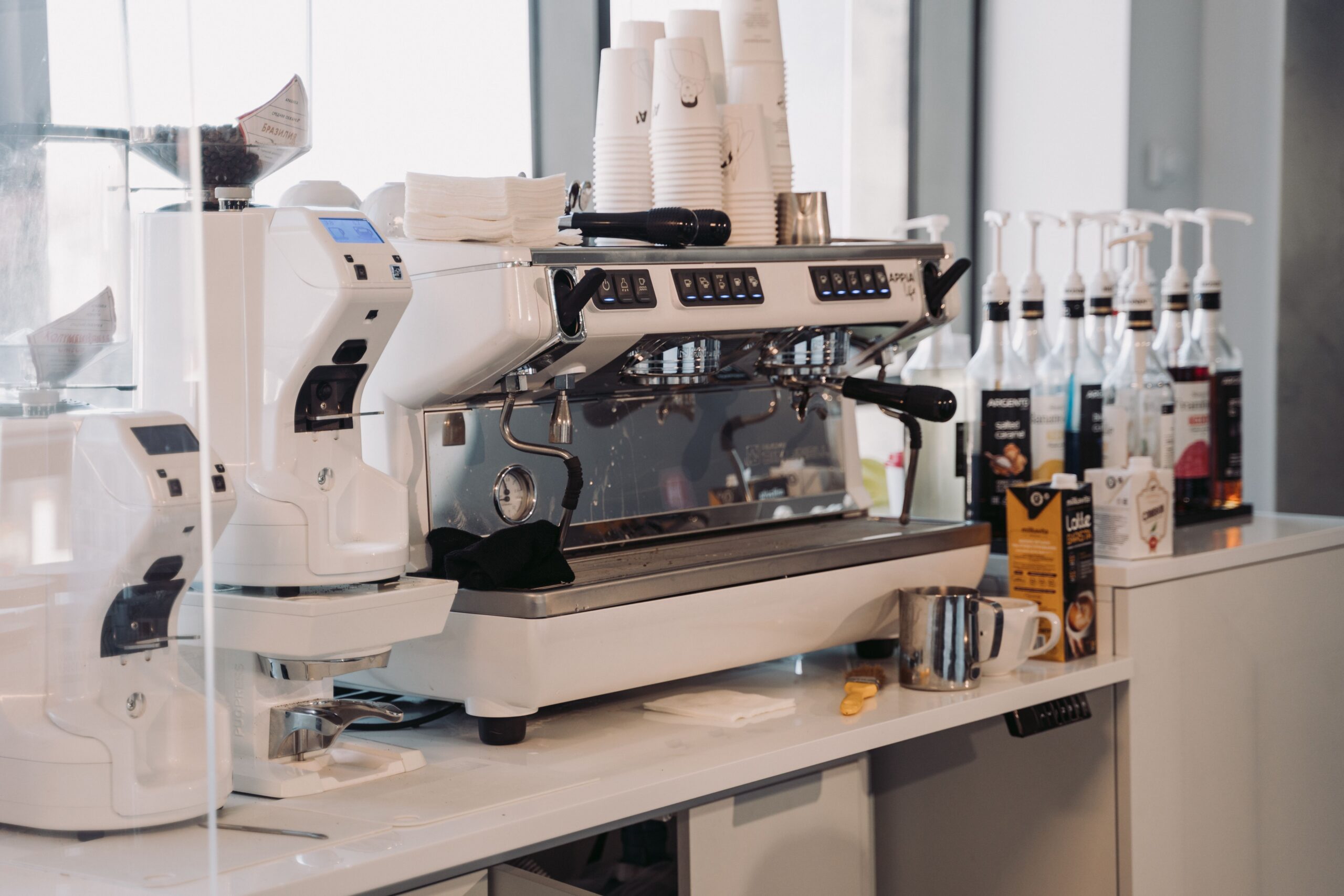
Most businesses evaluating a commercial coffee machine rental don’t know what the program actually includes before they sign anything. The monthly fee sounds simple. The details are where it gets complicated.
This guide covers how rental programs work across the commercial contexts Denver Beverage actually serves: hotels, healthcare facilities, offices, and restaurants and bars. It’s not a cost-comparison exercise, that’s covered separately, it’s a practical explanation of what you’re getting into and how to evaluate whether it’s the right fit.
Our coffee brewing equipment page covers the specifics of what Denver Beverage places across each of these verticals, if you want a closer look at the equipment itself first.
What a Commercial Coffee Machine Rental Program Includes
Rental programs vary by provider, but a well-structured one typically covers five things. Understanding each category prevents surprises later:
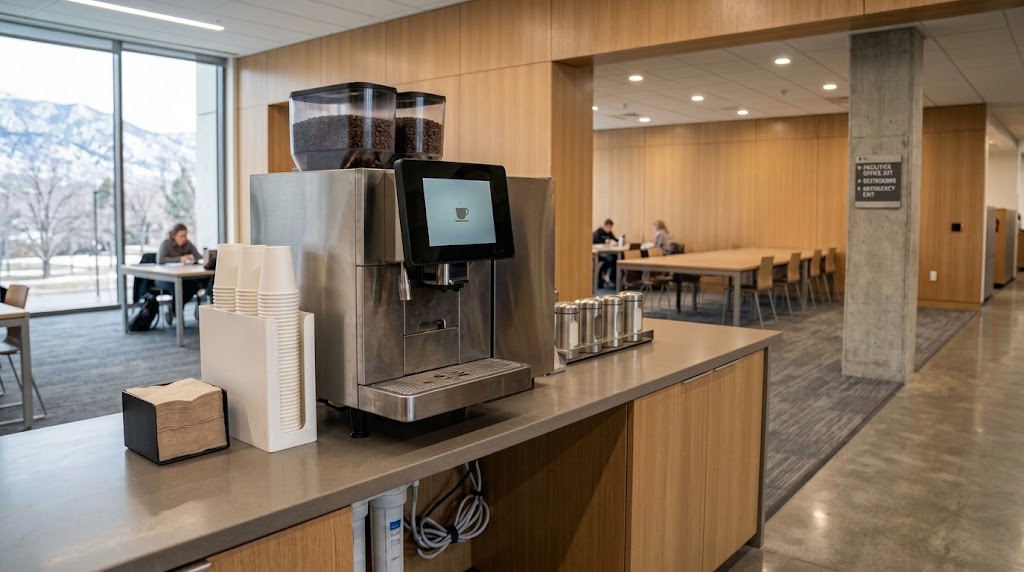
- The machine itself: The right equipment depends on your volume and context. Bean-to-cup machines like the De Jong Duke handle grinding and brewing in one unit, batch brewers from Bravilor Bonamat or Bunn are built for high-volume output, and Flavia machines suit smaller office or breakroom settings. If your operation runs a bar or specialty program, a commercial espresso machine is the better fit. Your rental agreement should specify which category applies to you.
- Installation and setup: A complete rental includes water line connection and commissioning, and if your site needs any modifications to accommodate the machine, confirm upfront whether that work is included or billed separately.
- Preventive maintenance: Scheduled PM visits keep the machine running and extend its service life, so ask how often they’re included and whether they run on a defined calendar or get triggered by usage hours.
- Repair coverage: Most programs cover repairs from normal wear, while damage caused by misuse or neglect is typically billed separately, so get that distinction in writing before you sign.
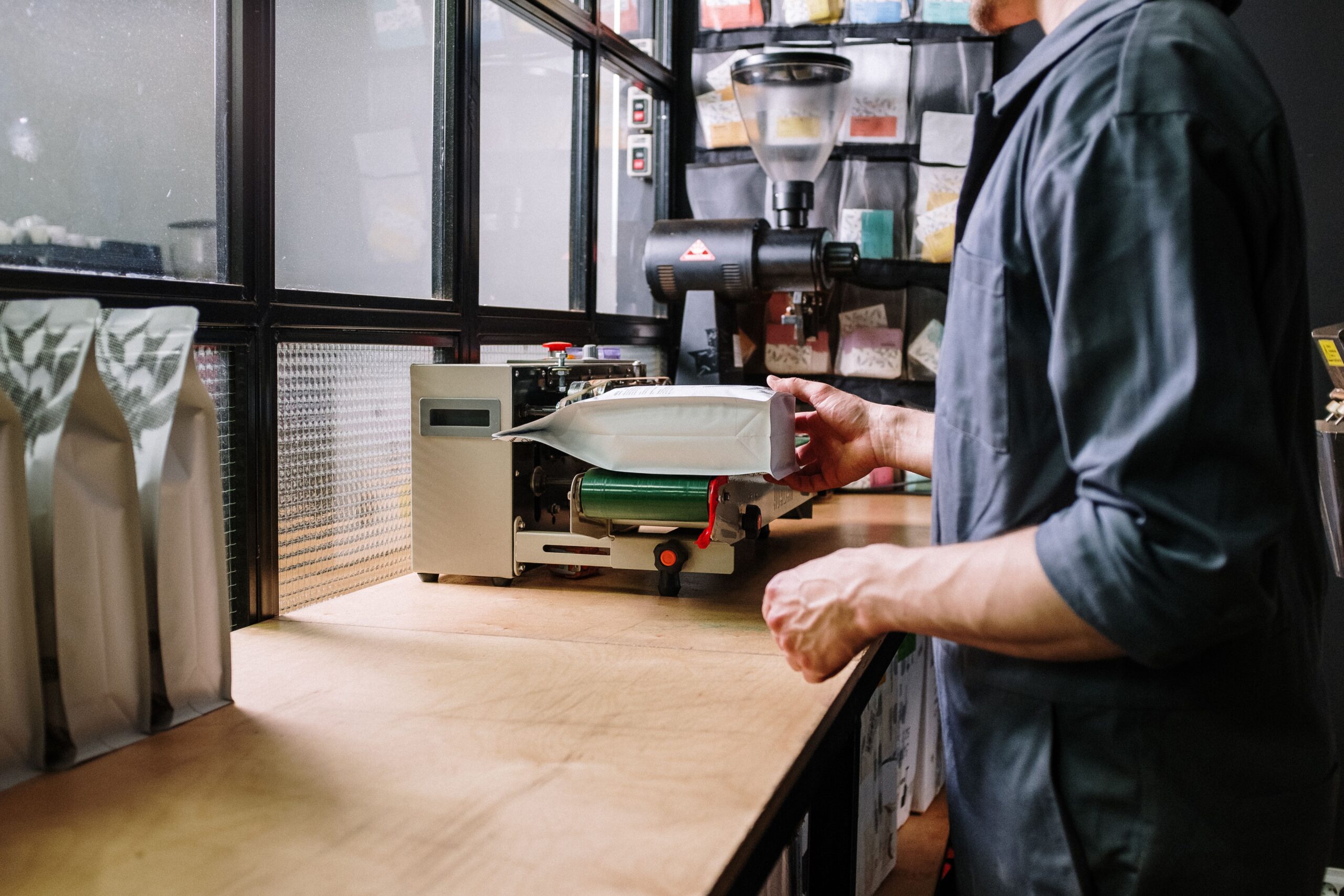
- Consumables and accessories: This is the most variable category where filters, water treatment cartridges, and cleaning supplies may be bundled, billed at cost, or excluded entirely. One thing that’s easy to miss: if you’re renting a bean-to-cup machine, the grinder is a required part of that system, not a separate purchase, so make sure it’s explicitly covered in the rental agreement.
Which Businesses Typically Use Commercial Coffee Machine Rentals
Rental programs serve a wider range of commercial operations than most providers’ marketing suggests. Here’s how it plays out across the businesses Denver Beverage actually works with:
- Hotels and hospitality: Lobby service, in-room amenities, and meeting or banquet prep all require different equipment at different volumes. Brand consistency across a property is a real operational concern, and rentals with service coverage built in reduce the burden on facilities staff. See Denver Beverage’s hotel beverage and supply services for how this fits into a broader hotel program.
- Healthcare facilities: Dietary departments in skilled nursing, assisted living, and rehab settings operate under volume requirements and compliance pressures that make equipment reliability non-negotiable. Rentals with bundled service coverage remove the maintenance burden from already-stretched staff. Denver Beverage’s healthcare beverage programs page covers how these programs work in regulated care settings.
- Offices: Bean-to-cup machines in the break room are one of the most common rental setups we see, and they’re usually sized to your employee headcount. As your team grows, the program scales right along with it and ties into a broader refreshment offering rather than staying a standalone machine. Our office coffee service page walks through how that works in more detail.
- Restaurants and bars: Batch brewers handle high-volume breakfast service without tying up kitchen capital. A commercial espresso machine for a bar program is another common rental application, especially for operators who want service coverage without taking on equipment ownership.
When Renting a Commercial Coffee Machine Makes Sense
Whether a rental makes financial sense depends on where your business is right now, not a single blanket answer. Here’s how to tell which side of that line you’re on.
When renting makes sense:
- Upfront capital is constrained and a monthly fee fits the operating budget better than a purchase
- The business is testing a new coffee program before committing to a specific machine type or brew format
- Volume or format may change, because of seasonal swings, a growing team, or a new location opening
- Bundled service and repairs have real value for that operator, meaning equipment downtime costs more than the service premium
When ownership makes more sense
Renting may not be the right fit when the business has a stable, long-term need and the capital to purchase outright. If the total cost of a multi-year rental exceeds the purchase price and the service premium isn’t meaningful to your operation, ownership or a lease structure may make more financial sense.
Is renting a coffee machine cost effective?
It depends on three things: the term length, the machine type, and whether bundled service has genuine value for your operation. A seasonal business or a new location testing a program will get more value from a rental than an established operation with predictable volume and an in-house maintenance resource.
What to Check Before Signing a Commercial Rental Agreement
Most rental guides skip this part entirely, but a few pointed questions before you sign can save you from surprise costs later. Four things are worth confirming, regardless of which provider you choose:
- What the monthly fee includes: Call-out fees beyond a service threshold, consumables, and damage repairs are the most common sources of unexpected costs, so get a clear written breakdown upfront.
- Automatic renewal clauses: Many agreements roll over without notice at the end of the term, so know the notice window required to exit or renegotiate.
- Water quality at the installation point: Equipment warranties and service agreements frequently require filtered water meeting specific standards, and if your water line isn’t compliant, that can create costs the rental agreement won’t cover. If your program references NSF (National Sanitation Foundation) and ANSI (American National Standards Institute) filtration requirements, the NSF International drinking water treatment unit certification standards page is where those standards are published.
- End-of-term options: Return, purchase at residual value, or upgrade to newer equipment are the three standard paths, so know which applies to your agreement before you’re in the last month of the term.
Rental agreements are easy to sign and hard to unwind once you’re locked into a term you didn’t fully understand. If you’re working through these questions and want a direct answer on how Denver Beverage structures its programs, talk to our team before you commit to anything.
Frequently Asked Questions
How much does it cost to rent a commercial coffee machine?
Monthly rental costs come down to three variables: machine type, program structure, and what’s bundled into the fee. A basic batch brewer rental costs less than a bean-to-cup or commercial espresso machine program. Programs that bundle preventive maintenance and repair coverage cost more than equipment-only arrangements, but that service premium is part of what you’re evaluating. Ask for a fully itemized monthly cost that separates the equipment fee from any service or consumable components.
Can I rent a commercial espresso machine for my restaurant or hotel?
Yes. Commercial espresso machine rentals are available for both foodservice and hospitality operations. The right equipment depends on your volume and program format, a high-volume hotel bar program has different requirements than a restaurant breakfast setup. Denver Beverage has placed espresso and batch brew equipment across both contexts since 1986.
What happens if the machine breaks down, is repair included?
Repair from normal wear is typically covered in a well-structured rental; damage from misuse typically isn’t. Denver Beverage backs this with 13 field technicians providing 7-day equipment service coverage across the Front Range. Confirm with any provider what their response-time commitment is and whether a call-out threshold applies before additional charges kick in.
Is renting a coffee machine cost effective compared to buying?
It depends on three factors: term length, machine type, and whether bundled service has real value for your operation. Renting is usually the more practical option for seasonal businesses, growing teams, or operators testing a new program. For established operations with predictable volume and available capital, purchasing or leasing may cost less over a multi-year horizon. Run the comparison against your actual term length before deciding.
Do I need a grinder if I rent a bean-to-cup machine?
No, bean-to-cup machines have an integrated grinder built in, that’s the defining feature of the format: beans go in, brewed coffee comes out, and grinding happens automatically inside the unit. What you should confirm is whether the grinder itself is covered under the rental agreement, since it’s a wear item that will need servicing over time. Don’t assume it’s included without seeing it in writing.