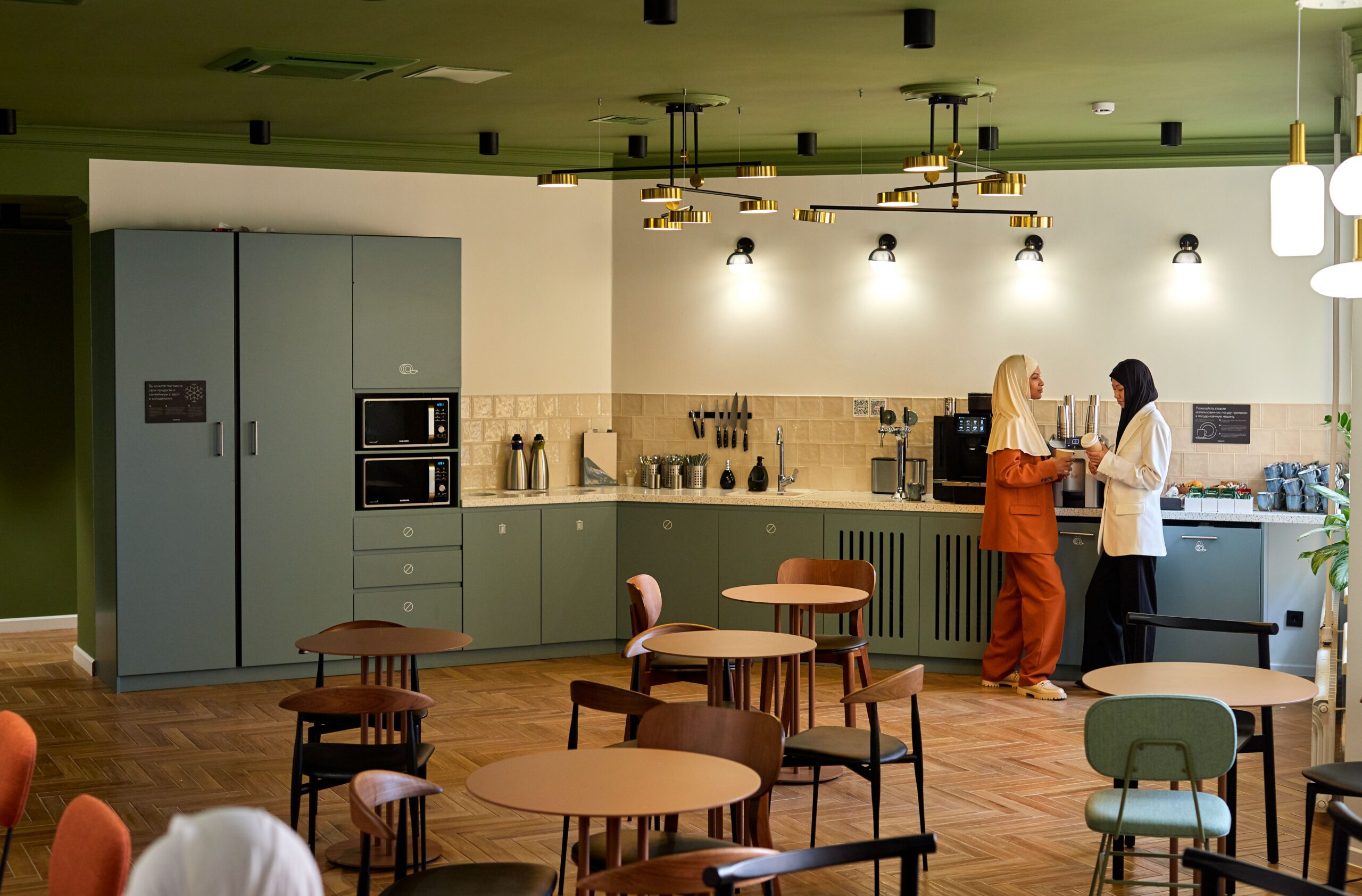
Most offices start with a coffee machine and a box of K-Cups and call it done. But a real breakroom refreshment program covers more ground than that, and the difference shows up in how employees actually experience the space.
This guide walks through the categories a complete breakroom supplies program should include, so you can build one that makes sense for your team size and how your office actually operates.
The Categories a Complete Breakroom Supplies Program Covers
A complete program touches six areas, from the coffee machine to the cleaning cart, and each one shapes a different part of the employee’s day. Here’s what belongs in each and where Denver Beverage delivers it.
Coffee and Hot Beverages
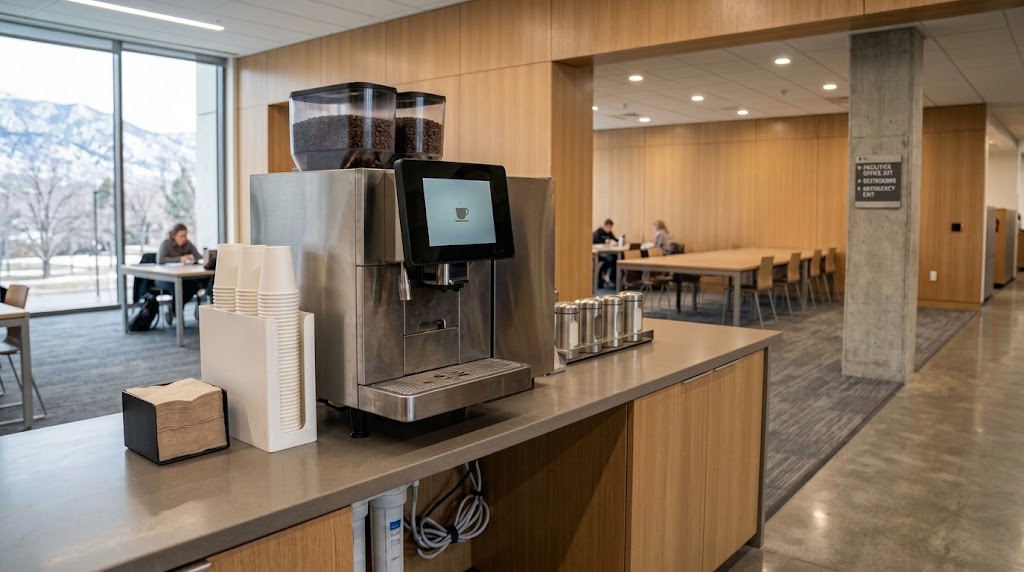
A solid coffee program is the foundation. Denver Beverage’s office coffee service covers the full range: local and premium roasters including Ozo Organic Coffee, Queen City Collective, Boyer’s, and Boulder Organic, alongside national brands like Lavazza, Peet’s, and Starbucks. Equipment options run from traditional brewers to bean-to-cup machines that grind fresh per cup.
Cold Beverages
Coffee doesn’t cover everyone. A well-stocked breakroom also includes canned and bottled drinks, sparkling water, and functional beverages like energy drinks and hydration options, and Denver Beverage distributes all of it as part of the same program.
Filtered Water
Filtered water is a baseline, not a luxury. Under-counter and countertop systems give employees clean, cold water without relying on delivered jugs or single-use plastic bottles. Denver Beverage supplies filtered water and ice as part of the broader program.
Snacks and Pantry
Snacks are where a program either feels curated or feels like a vending machine nobody restocks. Denver Beverage’s snacks and pantry supply program covers everything from traditional grab-and-go options to healthier choices, matched to what your team actually reaches for. It’s not a fixed SKU list; the mix can be adjusted over time.
Disposables and Serviceware
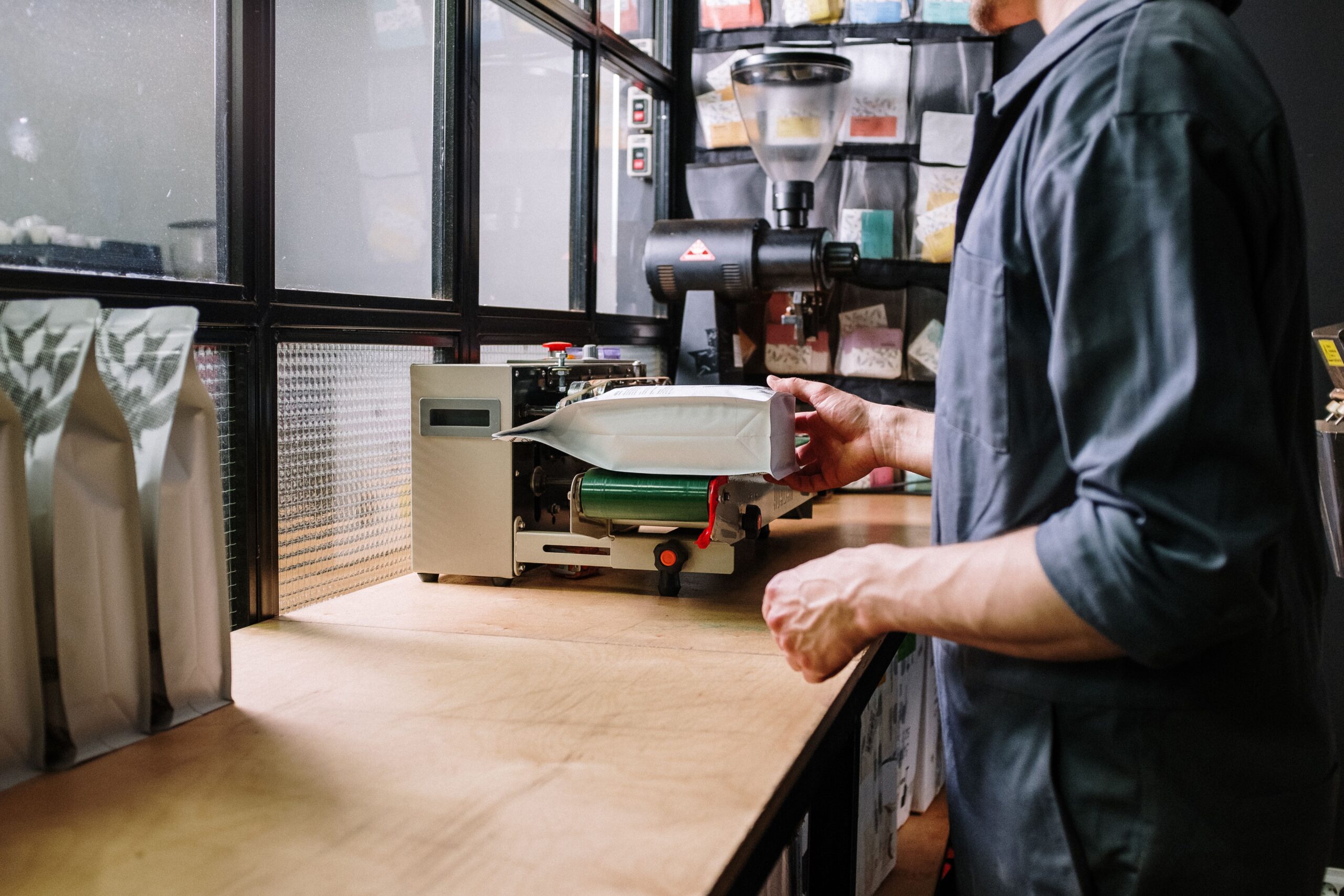
Cups, plates, cutlery, bags, and stirrers are the layer that makes everything else usable. Denver Beverage supplies disposables and paper goods so the breakroom stays stocked with the consumables your team goes through daily.
Cleaning Supplies
A breakroom that’s stocked but not clean isn’t serving anyone. Hand soap, sanitizer, paper towels, and trash bags keep the space usable and compliant. Denver Beverage’s cleaning products round out the program’s janitorial layer.
Stocking to Match Your Headcount, Not Your Best Guess
A 30-person office and a 200-person office have meaningfully different needs. Resupply cadence, product mix, and appliance requirements all scale with headcount and how many days per week employees are actually on-site. The right starting point is knowing those two numbers, then working backwards through each category.
Denver Beverage’s DRS division manages restocking for office programs, so the office manager doesn’t need to track inventory or place weekly orders; the program handles that instead.
When a Micro Market Makes More Sense Than a Stocked Breakroom
For offices with 100 or more employees, or locations with multiple shifts or frequent visitors, a managed micro market extends what a traditional breakroom can do. Denver Beverage’s GrabScanGo platform offers 24/7 self-service, cashless checkout, and a curated product mix that updates based on what actually sells.
That’s a different category of solution from a vending machine, and it removes the staff labor of stocking and ordering entirely. Learn more about micro markets and whether the format fits your office.
What HR Managers Actually Notice
Workplace refreshments show up in employee experience surveys more often than most HR managers expect. A complete program, coffee plus cold beverages plus filtered water plus snacks plus clean supplies, signals something different to employees than a single-serve machine on a sticky counter. It’s a visible, daily reminder that the employer pays attention to how people spend their time at work.
If you’d rather hand off the logistics and manage one vendor relationship instead of five, Denver Beverage’s DRS division handles supply, equipment, and restocking across all of these categories.
Ready to Build a Complete Breakroom Program?
From coffee and cold beverages to snacks, water, and cleaning supplies, Denver Beverage’s DRS division can manage the whole program, so you’re not juggling separate vendors for each category.
Talk to Denver Beverage about a breakroom supplies program built around your headcount.
FAQ
What should a breakroom have?
A functional breakroom needs six categories: coffee, cold beverages, filtered water, snacks, disposables like cups and cutlery, and cleaning supplies like soap, paper towels, and trash bags. Together, those cover the full range of what employees expect.
What are the essential items for an office breakroom supplies list?
The essential list starts with a coffee machine and coffee supplies (beans or pods, creamer, cups), then bottled or canned cold drinks, a filtered water source, snacks, disposables (cups, plates, cutlery, stirrers, bags), paper towels, hand soap, and trash bags. That’s the operational core most offices need to stock and replenish regularly.
What snacks are good for an office breakroom?
A mix works better than going all-in on one direction. Traditional grab-and-go options alongside healthier choices cover more of your team’s preferences. Denver Beverage curates snack programs based on what employees actually reach for, not a fixed product list that doesn’t change.
How do I know how much breakroom supply to order for my team size?
Two numbers drive it: headcount and average in-office days per week. Together they determine everything from resupply cadence to how large your coffee machine’s capacity needs to be. Denver Beverage’s managed programs handle this calculation and ongoing restocking, so you don’t have to track it yourself.
What’s the difference between a micro market and a regular breakroom?
A micro market offers self-service checkout, a broader product range, and 24/7 access without any staff labor for stocking or transactions. A traditional breakroom is stocked and managed manually. For offices with 100 or more employees, multiple shifts, or high foot traffic, a micro market typically handles demand better than a stocked breakroom can.