Most restaurant operators buy cleaning chemicals the way they buy paper towels: a little from everyone. Dish machine product from one rep, degreasers from a broadliner, sanitizer from a third vendor, with no real visibility into what the whole thing costs or whether it’s actually working.
Denver Beverage’s dish and laundry chemical programs solve three questions at once: what a complete program covers, what you should expect to pay, and whether consolidating through one vendor actually pencils out. This guide answers all three, specifically for restaurants and bars operating in Colorado.
What a Complete Restaurant Chemical Program Actually Includes
A complete program has four components. If your current vendor isn’t covering all four, you’re filling the gaps yourself, whether you realize it or not.
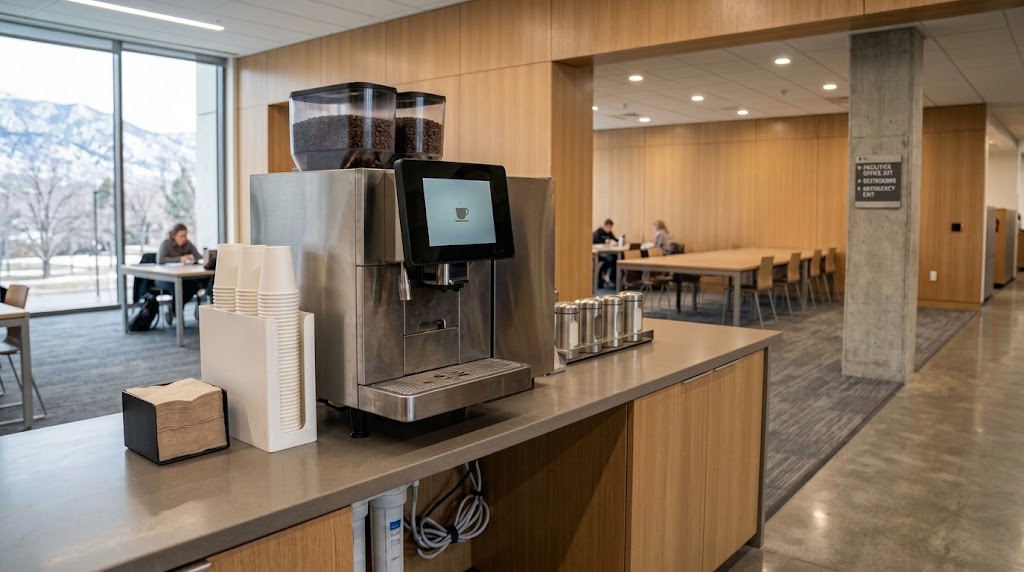
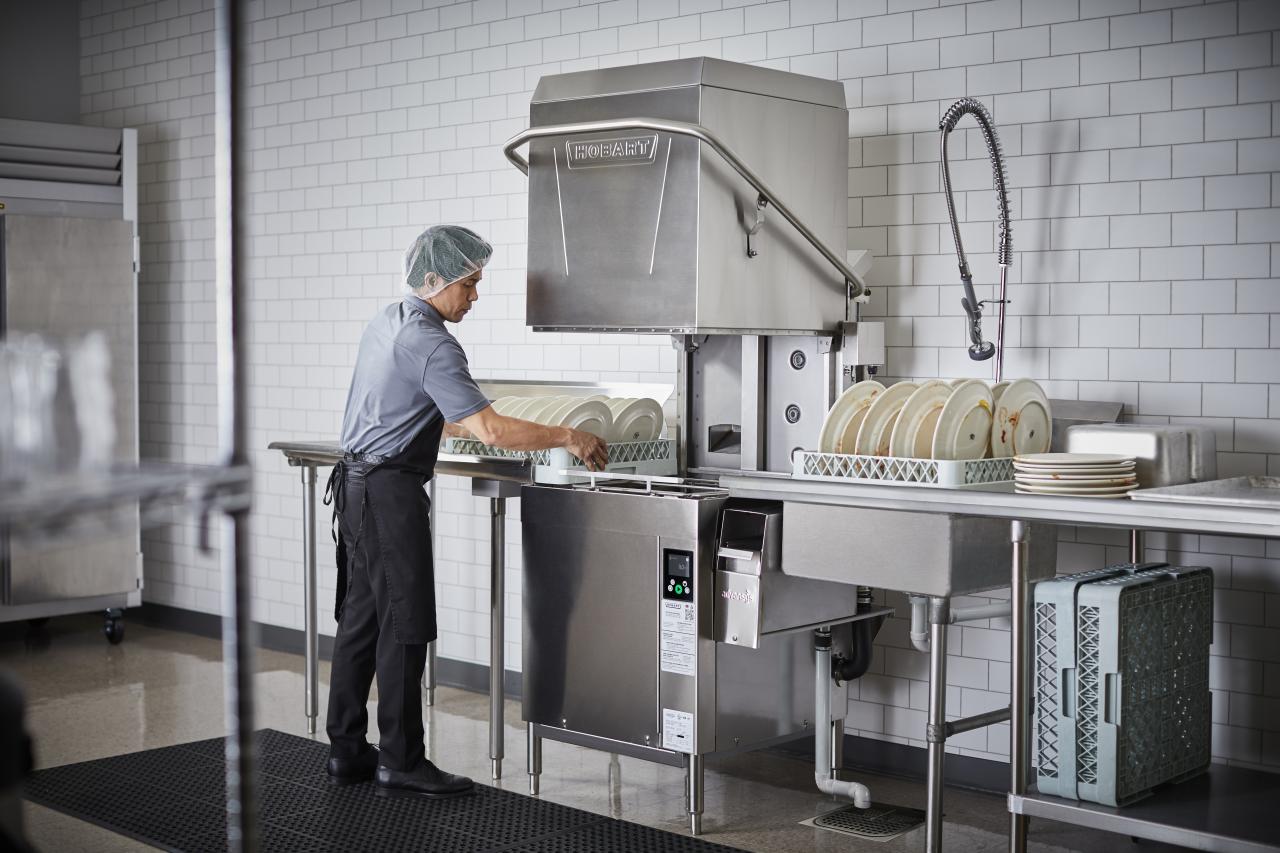
- Dish machine rental and installation: Most programs include the machine itself, under-counter or door-type, depending on your volume, at no upfront cost. Your chemical purchase covers the equipment, not a separate lease line. Denver Beverage’s commercial dishwasher repair service page covers what’s included on the equipment side.
- Warewashing chemicals: Detergent, rinse aid, and sanitizer, matched to your machine type and local water hardness, run through the machine’s own dispensing system rather than mixed by hand. Not every sanitizer formulation is equal, and your vendor’s recommended dilutions should be documented and verifiable if a health inspector asks. This is a separate category from general cleaning products.
- Preventive maintenance: This is where many operators get surprised. PM, descaling, gasket checks, dispenser calibration, should be included in the program, not billed as a separate service call. Ask any vendor you’re evaluating whether PM is bundled or an add-on before you compare pricing.
- General cleaning supplies: Degreasers, floor cleaners, restroom chemicals, glass cleaner. These may or may not be bundled depending on the program structure, so get clarity on what’s in scope versus what gets billed separately.
What Does a Restaurant Chemical Program Cost?
Product-only and managed program pricing land in very different places once dispensing waste, service, and vendor overhead are counted. Use these numbers to size up what a vendor quotes you, not as a stand-in for getting an actual quote.
- Product-only pricing: You pay list price per unit, you own the dispensing equipment yourself (or go without it), and there’s no service relationship. You have maximum flexibility and zero support.
- Managed program pricing: Chemicals, dispensing equipment, and PM are bundled into a flat or volume-based rate tied to your monthly usage. The tradeoff is vendor commitment in exchange for cost predictability and included service. For a full-service restaurant running a busy dish machine, the chemical cost alone on a product-only arrangement typically runs higher than a managed rate once you account for the waste from uncontrolled dilution.
- Where bundling saves money: Restaurants already purchasing beverages, beverage gas, or equipment service from Denver Beverage can consolidate delivery runs, reduce vendor overhead, and often negotiate better pricing on cleaning products as part of a broader account. That’s not a vague efficiency pitch. It’s one delivery, one invoice, and one service call when something goes wrong with chemical or equipment issues, instead of tracking down three different reps
A small independent restaurant running one dish machine typically falls in the range of $150 to $400 a month for a bundled program covering machine rental, warewashing chemicals, and PM. Higher-volume operations, a busy sports bar or a full-service dinner house, run higher. Use this as a sizing benchmark against any quote you’re given, not a substitute for getting your own number.
Managed Program vs. Buying Separately: How to Compare Total Cost
Three variables make the real cost difference, and none of them show up on a per-unit product invoice.
- Chemical waste from improper dilution: Manual mixing consistently over-concentrates. Proportioning systems recover a meaningful percentage of chemical cost simply by metering correctly every time. This is a well-documented outcome of dispenser installation, and it’s the first place a managed program starts paying for itself.
- Equipment downtime cost: A dish machine down at dinner service has a real cost per hour in labor, compliance risk, and service disruption. A program with included PM and responsive service reduces that exposure. A product-only vendor has no obligation to respond when your machine stops working.
- Vendor management overhead: Time spent managing three chemical reps, a broadliner, and a separate equipment service company versus managing one account is real overhead. For a restaurant operator already receiving Denver Beverage deliveries for beverages or draft beer service, adding chemicals to that account doesn’t add a vendor relationship. It removes two or three of them.
If you’d rather talk through what this looks like for your specific operation, Denver Beverage can walk through a program comparison based on your actual machine volume and current vendor setup.
Questions to Ask Any Chemical Program Vendor
These five determine whether you’re comparing apples to apples; ask them before you sign anything, whether you’re evaluating Denver Beverage or your current vendor.
- Is the dish machine included, or is it a separate equipment lease?
- What does PM cover, and how often is it scheduled?
- Are cleaning supplies, degreasers, and floor cleaners included or an add-on?
- What’s the response time if the dispenser fails or the machine goes down mid-service?
- Is there a contract term, and what does it take to exit?
Ready to See What a Program Would Cost for Your Restaurant?
Whether you’re comparing PM coverage, checking what’s bundled into your rate, or figuring out if consolidating chemicals with your existing account makes sense, the questions above are the ones worth working through first.
Talk to Denver Beverage about a chemical program built around your kitchen.
Frequently Asked Questions
What’s the difference between a chemical program and just buying cleaning products?
A program includes chemicals, dispensing equipment, preventive maintenance, and a service relationship. Buying products alone means no dilution control, no installed equipment, and no one obligated to respond when something breaks, so the operator manages everything independently.
How does water hardness affect my restaurant chemical program?
Hard water degrades sanitation effectiveness and accelerates scale buildup in dish machines. Program design, including whether you need a water softener and which rinse aid formulation is right for your equipment, should account for your local water supply. Colorado’s water hardness varies significantly by municipality, so a program built for one municipality’s water may not be right for a different Colorado location with a harder or softer water source.
What sanitizer concentration does my dish machine need to meet the health code?
Chlorine and quaternary ammonium sanitizers are held to different concentration standards under FDA Food Code § 4-501.114, so the right number depends on which sanitizer your program uses. Quat concentrations, in particular, are set by each product’s own EPA-registered label, not a single fixed number. Your vendor’s recommended dilution should be documented and verifiable for a health department inspection, not just assumed correct.
Does a chemical program cover bar chemicals and draft line cleaning?
Most general chemical program vendors don’t cover draft line cleaning or glasswasher chemistry. These require different formulations and familiarity with beverage equipment. Denver Beverage supplies both chemical programs and draft beer service, so bar and restaurant customers can cover these needs under one account.
Can I add a chemical program to an existing Denver Beverage account?
Yes, restaurants already purchasing beverages, draft beer, beverage gas, or other supplies through Denver Beverage can add a chemical program to the same account.
How do I know if my restaurant’s chemical spend is in range?
Two variables drive most of that spend: your volume, measured in covers per week, and your program scope, whether you’re buying chemicals only or a full program that includes equipment and PM.
What’s typically included in dish machine preventive maintenance?
Descaling, gasket inspection, dispenser calibration, and chemical concentration checks make up a proper PM visit. This should be included in your program, not billed as a separate service call, if a vendor treats PM as an add-on, that’s worth flagging before you sign anything.