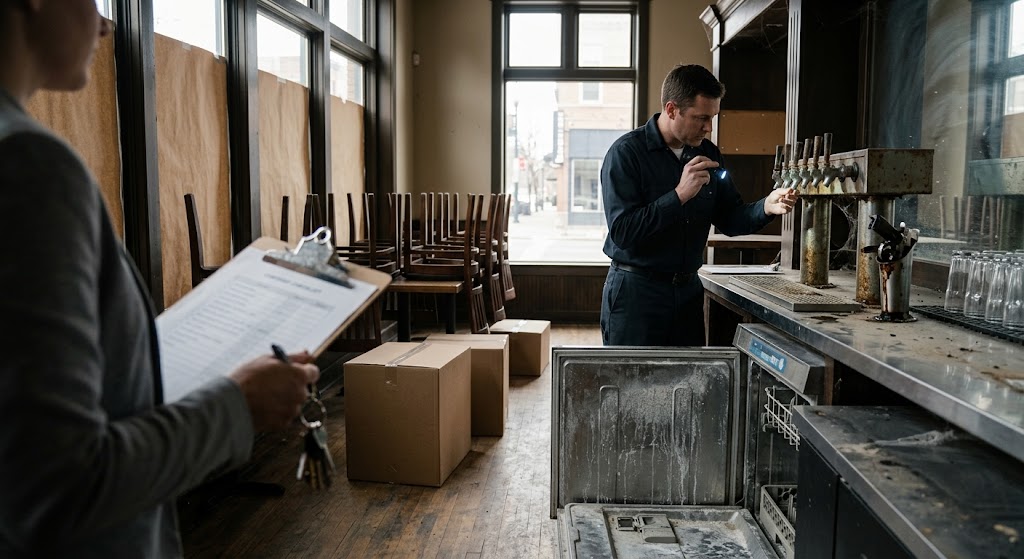
You’ve signed a lease on a second-generation restaurant space, or you’re close to signing, and now you’re looking at equipment someone else left behind. Hoods, grease traps, and walk-ins get plenty of attention elsewhere. This guide is about the three systems that tend to get skipped: the soda system, the draft beer lines, and the dish machine.
Each one comes with its own risks, and most only show up once you know what to ask. This guide is for commercial operators in restaurants and bars taking over an existing food service space, and it sticks to beverage and dish equipment.
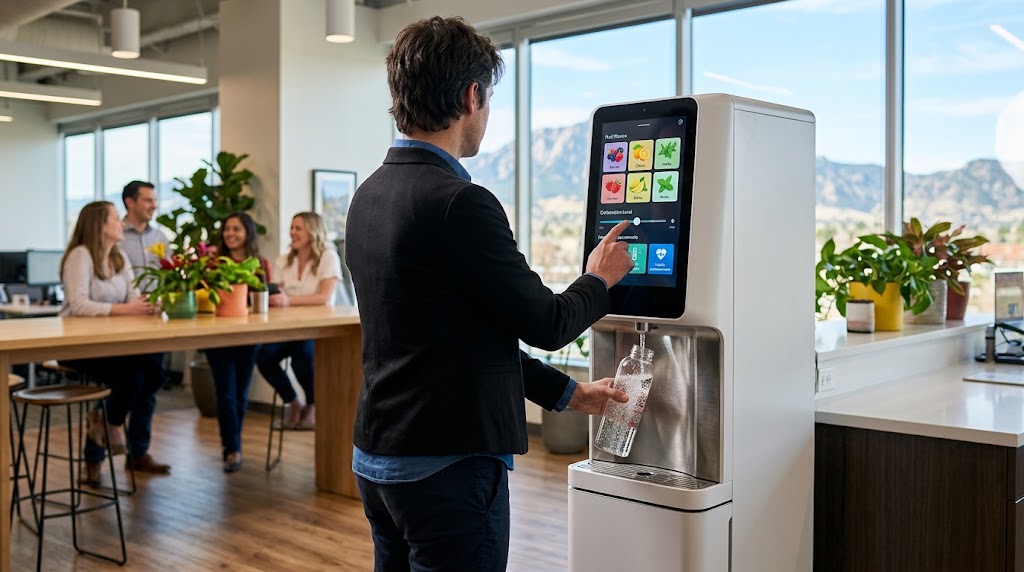
The Soda System (Fountain and Bar Gun)
A common misunderstanding is that the fountain or bar gun account comes with the space. It doesn’t. The account belongs to the previous operator, not the premises, and it doesn’t transfer with the lease the way a walk-in cooler does. Here’s what to check.
- Account status: Fountain accounts are held by the distributor, such as a Coca-Cola or Pepsi partner, and the previous tenant’s account does not automatically carry over. A system sitting in a vacant space may be on a dormant account, or one the prior operator defaulted on. You’ll need to start a fresh account, and that takes planning.
- Equipment ownership: The system may belong to the prior operator, the landlord, or the distributor. That decides who is responsible for removing or servicing it, and whether you can adopt it or must arrange a new setup. Being bolted to the wall doesn’t make it yours.
- Physical condition: Look for syrup residue, mold at the nozzle seats, and disconnected CO2 lines. A system that has sat idle for months without cleaning is not plug-and-play, and that’s not a minor maintenance item.
- Wunderbar or bar gun service history: Wunderbar systems are common in second-gen bar spaces, and they need specific cleaning and calibration. A bar gun system with unknown service history is a contamination risk, not just an inconvenience. If you don’t know when it was last cleaned or serviced, treat it as if it hasn’t been.
- CO2 supply: Check whether there’s a tank on site, who it belongs to, and whether it’s connected to an active account. CO2 is supplied as part of a fountain program, not as a standalone service.
Already seeing a problem with the system you inherited? Our fountain and bar gun troubleshooting guide walks through the most common issues.
Draft Beer Lines
Draft lines that have sat dormant in a vacant space are one of the more overlooked risks in a second-gen handover. The previous operator may have left without cleaning them, and lines that haven’t had beer running through them for months can develop yeast buildup, mold, and biofilm. That calls for a full clean and inspection, not a quick rinse. Here’s what to check.
- Last cleaning: Draft lines need cleaning on a regular schedule. If you can’t get documentation of a recent clean, assume they need a full inspection and clean before use. In some cases, lines need to be replaced entirely.
- Direct-draw or long-draw: Know which setup you’re inheriting. Both need CO2 or nitrogen supplied as part of a draft program, so confirm the gas supply is still connected and who the account belongs to.
- Coupler and faucet condition: These are contact surfaces, and they degrade with use and neglect. A visual check is a starting point, but a service visit is the only way to know what you’re working with.
- Service history and installer: A draft system installed by a distributor typically comes with ongoing service tied to a product account. If that account is closed, the service relationship is gone too, so find out who installed it and whether any service records exist.
- Glycol chiller condition: If you’re inheriting a long-draw system with a glycol chiller, don’t try to assess it yourself. Flag it for a technician visit, because this is a field assessment, not an operator self-check.
Curious what a proper setup involves? Here’s how draft beer system installation and service works. For a step-by-step look at the setup itself, see our draft beer, cocktail, and wine tap installation process.
The Dish Machine
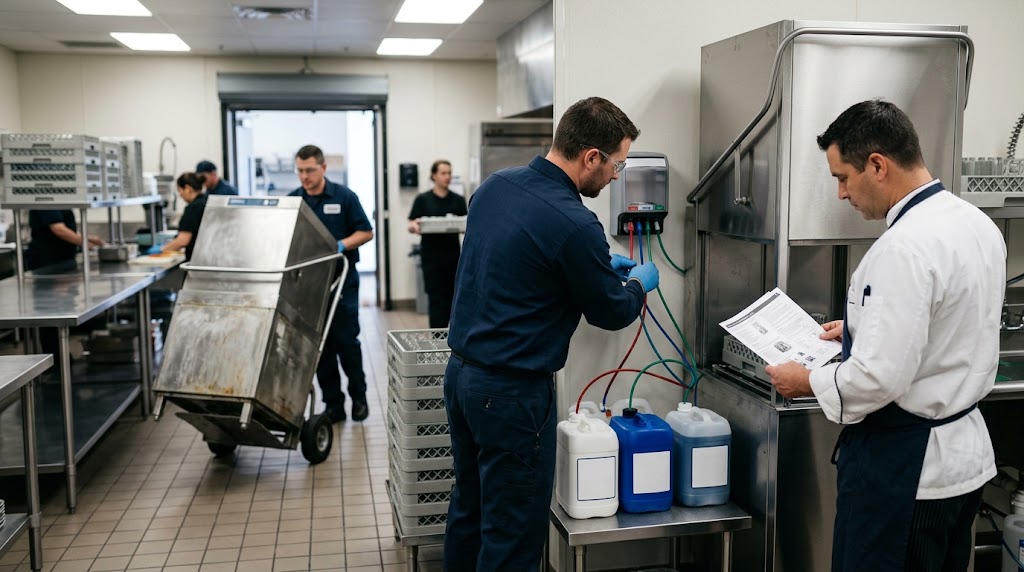
Like fountain and draft accounts, dish machine chemical contracts belong to the operator, not the space. Dish machines are commonly supplied by chemical service companies such as Ecolab or AutoChlor under agreements with the prior operator, and those agreements don’t transfer with the lease. If the previous operator’s contract has lapsed or been closed, you’re starting from scratch. Here’s what to check.
- Leased or owned: A leased dish machine belongs to the supplier. The landlord can’t include it in the premises handover, so verify ownership before you assume it’s yours to use.
- Scale and interior condition: A machine that has sat idle builds up mineral scale, and one that wasn’t properly shut down may have dried chemistry caked on contact surfaces. Neither is visible from the outside.
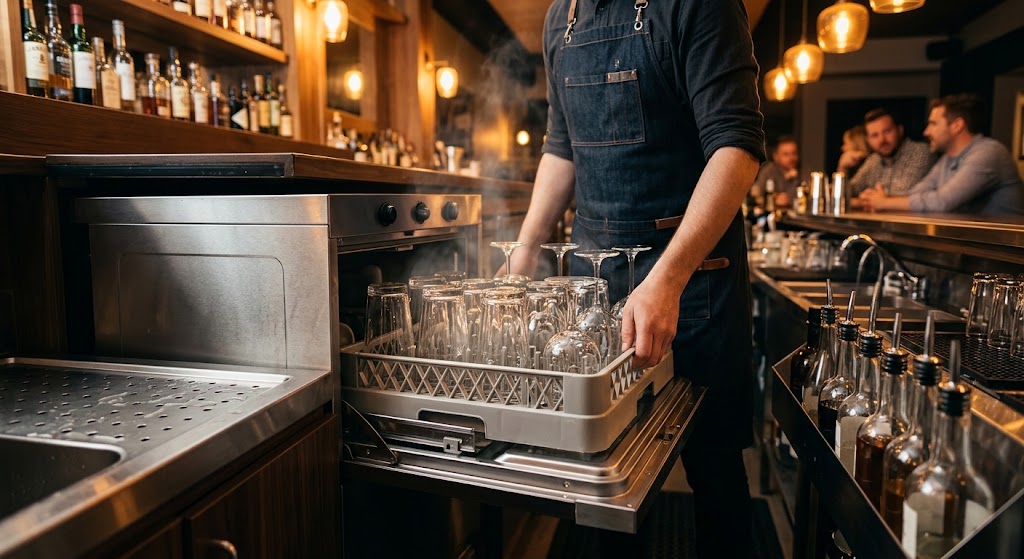
- High-temp or low-temp: These machines have different chemical requirements and operating costs. A high-temp machine sanitizes with heat, while a low-temp machine relies on chemical sanitizers. Know which type you’ve inherited before you sign a chemical supply agreement.
- Replacement baseline: If the inherited machine isn’t worth keeping, Denver Beverage’s own leased dish line starts from $129 a month through ADS (American Dish Service) and includes free repairs. That’s a useful baseline when you’re judging what an inherited machine will cost to maintain.
If the machine needs work, our commercial dishwasher repair page explains how it’s handled. CFESA-trained technicians do the repairs, and they carry a 90-day labor warranty.
What Denver Beverage Can Do
If you’ve worked through this checklist and still aren’t sure what you’re inheriting, or you know you need a new program set up, we can help. Here’s what Denver Beverage can do for operators on the Front Range and the I-70 corridor.
- Inspect and assess inherited fountain or bar gun equipment: We determine whether it’s cleanable, serviceable, or needs to be replaced, and whether a new Coca-Cola fountain account can be set up for the space. Our own technicians handle installation and service, not subcontractors.
- Clean, inspect, and service inherited draft beer lines: Denver Beverage installs and services draft systems and can evaluate what a vacant space’s lines need before anyone pours from them.
- Assess the dish machine: The dish machine assessment is free and includes a high vs. low-temp evaluation. If the inherited machine isn’t worth keeping, we can quote a replacement program.
Not Sure What You’re Inheriting? Let’s Take a Look
Call 303-295-3737 or request a quote to schedule an assessment, and we’ll respond within 24 hours. Installs take planning and are rarely immediate, so the sooner you reach out, the better.
Frequently Asked Questions
Does a fountain soda account transfer when I take over a restaurant space?
No, a fountain account doesn’t transfer with the lease. The previous operator’s account with their Coca-Cola or Pepsi distributor doesn’t carry over, so you’ll need to set up a new account. If equipment is already in the space, a service visit can determine whether it belongs to the prior operator, the landlord, or the distributor before you make any decisions.
How do I know if inherited draft beer lines are safe to use?
You can’t know without a professional inspection. Lines that have sat dormant in a vacant space can develop yeast buildup, mold, and biofilm. The only way to confirm they’re safe is to have a technician clean and inspect them, so don’t rely on a visual check alone.
Can I keep the dish machine that came with the space?
Only if you confirm who owns it first. A leased machine belongs to the supplier, not the landlord. If it’s owned outright and stays with the space, a free assessment will tell you whether it’s worth keeping, what type it is, and what it will take to run it.
Does Denver Beverage charge for an equipment assessment?
Denver Beverage offers a free dish machine assessment, including a high vs. low-temp evaluation. Equipment inspections for inherited soda and draft systems are part of the account setup process for qualified commercial locations on the Front Range and the I-70 corridor.
What if the inherited equipment isn’t worth keeping? Can Denver Beverage replace it?
Yes, Denver Beverage can replace it. We can swap in a new fountain system, set up a bar gun program, install a draft beer system, or quote an ADS dish machine starting from $129 a month. Dispensing equipment is provided at no charge for qualified accounts. Installs take planning and are rarely immediate, so reach out early in your pre-opening process.
Does installation cost anything for a new soda or draft system?
Equipment is provided at no charge for qualified accounts, and Denver Beverage’s own technicians handle installation. Installs take planning and are rarely immediate. A quote request gets a response within 24 hours, so that’s the right first step to understand your timeline.